
Why Should Collectors Choose Custom Display Cases for Their Prized Possessions?
The Critical Importance of Proper Storage for Valuable Collections
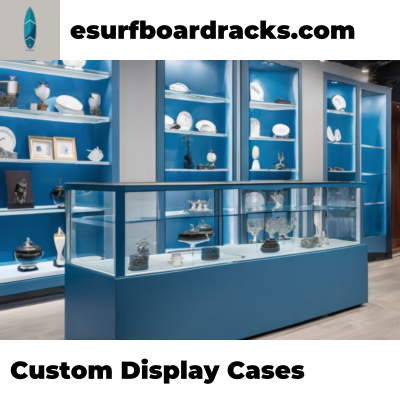
When collectors invest time and resources into acquiring items—whether vintage memorabilia, rare action figures, autographed sports equipment, or other treasured possessions—the question of storage becomes paramount. Most people don't realize that improper display methods can degrade collectibles far more rapidly than the passage of time alone. Dust accumulation, fluctuating humidity levels, exposure to direct sunlight, and temperature variations represent genuine threats to preservation that extend beyond simple aesthetic concerns. The degradation process happens silently, sometimes invisibly, until significant damage has already occurred.
Custom display cases offer a sophisticated solution that transcends standard shelving arrangements. Unlike mass-produced alternatives found in retail outlets, bespoke cases are engineered specifically for the unique dimensions, weight requirements, and environmental sensitivities of individual collections. This personalized approach acknowledges a fundamental truth: no two collections are identical, and therefore, no standardized storage solution can adequately address every collector's needs.
The relationship between proper display and collection longevity cannot be overstated. When items sit exposed on shelves, they're vulnerable to countless environmental stressors. Conversely, thoughtfully designed cases create controlled microenvironments that actively protect valuable pieces from degradation. This distinction separates merely functional storage from genuinely protective preservation infrastructure.
Understanding Why Standard Off-the-Shelf Solutions Fall Short
The Limitations of Generic Display Methods
Retail display cases arrive with predetermined dimensions, materials, and structural specifications that rarely align with specific collection needs. A collector of surfboard memorabilia, for instance, might need cases designed for uniquely shaped items—not standard rectangular boxes. The cookie-cutter approach of mass production ignores the reality that collections encompass diverse objects with varying fragility levels, dimensional requirements, and preservation demands.
Standard cases typically feature:
- Fixed interior dimensions that force collections into awkward configurations
- Materials chosen for cost-efficiency rather than preservation quality
- Lighting systems that generate excess heat or ultraviolet radiation
- Ventilation patterns inadequate for humidity regulation
- Structural designs that don't account for weight distribution of specific items
Beyond these technical limitations, generic cases communicate something subtle but important about the collector's relationship with their collection. They suggest that valuable items merit only temporary, improvised protection rather than thoughtful, permanent preservation solutions.
How Environmental Factors Compromise Collection Integrity
Temperature fluctuations cause materials to expand and contract at different rates. When a wooden surfboard, plastic action figure, and metal trophy sit together in an uncontrolled environment, these materials respond differently to each temperature shift. Over months and years, this constant micro-movement creates stress points that eventually lead to warping, cracking, and deterioration.
Humidity represents another silent adversary. High moisture levels encourage mold growth and corrosion, while excessively dry conditions make materials brittle and prone to cracking. Most collectors don't maintain precise humidity monitoring equipment in their homes, which means their collections endure whatever atmospheric conditions nature provides. Custom display cases equipped with proper sealing and, in many instances, internal humidity regulation systems provide defense against this environmental volatility.
Ultraviolet radiation from sunlight and artificial lighting causes fading, discoloration, and material degradation that's often irreversible. Mass-produced cases rarely incorporate UV-filtering glass or specialized lighting solutions. Custom cases, by contrast, can be equipped with museum-quality materials that block harmful radiation while maintaining visibility.
Examining the Technical Advantages of Bespoke Display Solutions
Precision Engineering for Specific Collection Requirements
Custom display cases represent the intersection of craftsmanship and technical expertise. When designers work with collectors to understand their specific requirements, they gather crucial information that shapes every aspect of case construction. The depth of shelving needed for vintage surfboards differs dramatically from the shallow display requirements of collectible coins or trading cards.
The benefits of precision engineering include:
- Exact dimensional matching that eliminates wasted space and awkward item positioning
- Load-bearing calculations specific to the weight of actual collection items rather than generic weight limits
- Interior architecture designed around the natural shapes and proportions of collected pieces
- Material selections chosen for compatibility with specific item types and preservation requirements
- Sealed construction that maintains controlled internal environments regardless of external climate fluctuations
Consider a collector with a mix of vintage surfboards, surf competition medals, and historical photographs. Each component requires different environmental conditions for optimal preservation. A custom case accommodates these diverse needs through compartmentalization, variable humidity zones, and specialized mounting systems that ensure each item receives appropriate protection.
Material Selection and Environmental Protection
The materials comprising custom display cases fundamentally determine their protective capabilities. While mass-produced cases might utilize standard glass and particleboard, custom solutions employ museum-grade materials specifically selected for preservation purposes.
Quality custom cases typically incorporate:
- Low-iron or museum glass that provides superior clarity while filtering ultraviolet radiation
- Powder-coated aluminum or steel frames that resist corrosion and maintain structural integrity across decades
- Sustainably sourced wood veneers or premium composites that won't off-gas harmful chemicals
- Precision-fitted seals using silicone or other preservation-grade materials that prevent dust infiltration and maintain humidity stability
- Adjustable interior shelving using non-reactive materials that won't interact chemically with displayed items
These material choices represent investments that seem abstract until collectors understand the concrete consequences. A single instance of dust infiltration or humidity spike that damages a valuable piece can exceed the cost difference between budget and premium cases by orders of magnitude. The economics of preservation favor quality from the outset.
Exploring Specialized Features That Distinguish Premium Custom Cases
Lighting Systems Engineered for Display and Preservation
Proper illumination serves dual purposes: it enables collectors and viewers to appreciate displayed items while simultaneously protecting those items from light-induced damage. This seemingly contradictory requirement demands sophisticated technical solutions that standard cases don't provide.
LED technology has transformed display lighting possibilities. Contemporary LED systems generate minimal heat, consume modest amounts of electricity, and can be optimized to emit specific light wavelengths. Premium custom cases utilize LED arrays specifically calibrated to highlight collection pieces without delivering harmful radiation.
The advantages of specialized lighting systems encompass:
- UV-filtered light output that prevents color fading and material degradation
- Tunable color temperature allowing customization based on item appearance and preservation needs
- Dimmer controls that enable adjustment of light intensity without replacing components
- Heat-free operation preventing temperature fluctuations within case interiors
- Long operational lifespan that minimizes maintenance requirements and component replacement costs
Collectors frequently discover that professional lighting transforms how they interact with their collections. Items appear more vibrant, details become visible that weren't apparent under standard lighting, and the overall presentation suggests the significance collectors place on their assembled pieces.
Humidity and Temperature Regulation Systems
Maintaining stable internal microclimates represents one of the most sophisticated achievements of premium custom display cases. Mechanical systems that actively monitor and adjust humidity and temperature require integration with case design from initial planning stages.
These regulatory systems function through:
- Passive moisture absorption materials strategically placed within sealed compartments
- Active dehumidification systems that extract excess moisture using dessicant or refrigeration technology
- Thermostatic controls that trigger heating or cooling responses based on internal temperature sensors
- Smart monitoring systems that alert collectors to environmental deviations before damage occurs
- Backup power supplies ensuring system operation even during electrical disruptions
The sophistication of these systems varies based on collection requirements and budget considerations. Some collectors benefit from passive systems that require occasional maintenance, while others with highly sensitive items warrant active climate control infrastructure.
Temperature stability proves particularly crucial for mixed collections containing materials with different thermal expansion coefficients. When wood, metal, plastic, and glass exist together, temperature fluctuations create differential stress that can cause structural failure. Active temperature regulation prevents the repeated micro-stress cycles that compound over years of ownership.
The Aesthetic and Psychological Dimensions of Strategic Display
How Professional Presentation Enhances Collection Appreciation
The manner in which items are displayed influences not merely their visual impact but fundamentally how collectors and viewers perceive and appreciate assembled pieces. There exists a psychological dimension to presentation that extends beyond simple preservation concerns. When a collection transitions from scattered storage to professionally organized display, the entire experience of ownership transforms.
Custom display cases create what might be termed "intentional curation." Rather than items existing in haphazard arrangements dictated by available shelf space, each piece occupies a position that acknowledges its significance within the broader collection narrative. This deliberate arrangement helps both collectors and viewers understand the collection's scope, historical progression, thematic connections, and individual item significance.
The psychological benefits manifest in several observable ways:
- Increased engagement with collection items as improved visibility and access encourage regular appreciation
- Enhanced social sharing and discussion when collections are attractively displayed and protected
- Greater sense of accomplishment and pride in the accumulated assemblage
- Clearer understanding of collection gaps that might motivate future acquisitions
- Improved mental organization of collection knowledge and categorization
Consider a collector who previously stored surfboard memorabilia in various locations—some pieces tucked away in closets, others on bedroom shelves, still others in storage boxes. When these items transition into a unified, professionally designed display case, the collection suddenly becomes coherent, meaningful, and visually impressive. The transformation often triggers renewed interest and deeper engagement with collecting itself.
Design Customization That Reflects Individual Aesthetic Preferences
Unlike standardized cases that impose predetermined visual aesthetics, custom solutions accommodate the collector's personal design preferences and home décor considerations. A display case should enhance the surrounding environment rather than appearing as an incongruous object forced into available space.
Design customization encompasses:
- Finish selections ranging from natural wood stains to contemporary matte metals and custom paint colors
- Hardware choices including hinges, handles, and locking mechanisms in various styles and materials
- Interior layout configurations that emphasize specific pieces or create visual balance across the entire case
- Exterior dimensions and proportions designed to fit particular room spaces and architectural features
- Integrated design elements such as built-in shelving, display pedestals, or specialty mounting systems
The aesthetic dimension proves particularly important for collectors who display cases in living spaces, home offices, or entertainment areas. A poorly designed case can detract from room aesthetics, while a thoughtfully designed custom case functions simultaneously as protective infrastructure and attractive furniture piece. This dual functionality adds genuine value beyond preservation considerations.
Some collectors select minimalist designs that emphasize simplicity and elegance, allowing displayed items to command full visual attention. Others prefer more ornate cases with decorative elements, rich finishes, and architectural detailing that create dramatic presentation environments. Premium custom case designers work collaboratively with collectors to translate aesthetic preferences into functional designs that achieve both goals.
Addressing Practical Concerns and Implementation Considerations
Sizing, Spacing, and Organizational Logic
Determining appropriate case dimensions requires detailed assessment of current collection holdings and anticipated future growth. Undersized cases constrain collections and eliminate flexibility, while oversized cases waste resources and may appear disproportionate within available spaces. Experienced case designers work through systematic evaluation processes to establish optimal dimensions.
The practical assessment should address:
- Current inventory measurement documenting the physical dimensions of existing collection items
- Growth projections estimating how the collection might expand over coming years
- Spatial limitations including available floor space, wall dimensions, and ceiling height in intended installation locations
- Access requirements ensuring collectors can reasonably interact with displayed items
- Weight distribution confirming structural capacity for the complete assembled collection
Interior spacing decisions determine how effectively the case accommodates collection items. Shelving height, depth, and spacing configurations should reflect typical item dimensions while allowing slight flexibility for occasional pieces that vary from the standard. Experienced designers incorporate adjustability into shelf positioning, enabling collectors to reconfigure interiors as collections evolve.
Organizational logic represents another crucial consideration. Some collectors prefer chronological arrangements of items, others favor thematic groupings, while some organize by acquisition sequence or artistic preference. The case design should facilitate the chosen organizational approach through interior configurations that support the desired arrangement pattern.
Installation and Environmental Integration
The physical installation of custom display cases influences both functionality and aesthetic integration. Cases installed against exterior walls experience different temperature and humidity fluctuations than interior wall installations. Cases positioned near heating vents, air conditioning returns, or windows face distinct environmental challenges compared to interior placements.
Installation considerations include:
- Wall mounting preparation ensuring structural capacity and proper anchoring
- Floor-standing foundation confirmation that flooring can support case weight without deflection
- Environmental proximity assessment of nearby heat sources, air circulation patterns, and natural light exposure
- Accessibility planning ensuring collectors can reasonably access items without awkward positioning or movement
- Cable management and electrical connections for cases incorporating lighting or climate control systems
- Visual sightlines positioning cases where they can be appreciated from primary viewing angles
Professional installation by experienced technicians ensures cases are positioned securely and function optimally. Poor installation can compromise structural integrity, create functional problems, or result in safety hazards. The installation process represents an important component of the overall custom case solution rather than an afterthought.
Maintenance Requirements and Long-Term Care Protocols
Custom display cases, despite their sophistication, require reasonable maintenance to preserve functionality and protective capabilities. Understanding and implementing proper care protocols ensures cases continue providing optimal protection across decades of use.
Ongoing maintenance involves:
- Regular dust removal from exterior surfaces and interior shelving using soft, lint-free cloths
- Periodic glass or acrylic cleaning using museum-appropriate solutions that won't leave residues or damage seals
- Seal inspection confirming that gaskets and weatherstripping remain effective and undamaged
- Climate control system checks if cases incorporate active humidity or temperature regulation
- Structural assessment verifying that frames remain square and shelving remains level
- Lighting system maintenance including occasional bulb or LED replacement and electrical connection verification
- Locking mechanism lubrication ensuring smooth operation and security
The maintenance burden remains minimal compared to the protection benefits cases provide. Most collectors find that basic quarterly inspections and occasional cleaning constitute sufficient upkeep. More extensive maintenance becomes necessary only if cases experience damage or mechanical system malfunction.
Comparing Custom Solutions to Alternative Preservation Approaches
Why Custom Cases Outperform DIY and Budget Alternatives
The appeal of DIY display solutions or budget-conscious cases is understandable—they offer lower upfront costs and a sense of personal accomplishment. However, these approaches frequently result in inadequate protection and require eventual replacement or supplementation with professional solutions. Understanding the limitations of alternatives helps collectors appreciate the genuine value of custom cases.
DIY approaches typically suffer from:
- Inadequate environmental sealing allowing dust and humidity infiltration
- Improper ventilation creating condensation and moisture accumulation
- Structural instability lacking professional engineering for weight distribution
- Poor material choices using whatever materials are readily available rather than preservation-grade options
- Inadequate lighting employing standard bulbs that generate heat and ultraviolet radiation
- Safety compromises including unstable construction or inadequate securing of heavy items
Budget cases purchased from general retailers offer slightly better quality than DIY solutions but remain fundamentally limited. Manufacturing constraints inherent in mass production prevent incorporation of preservation-grade features, environmental controls, and specialized design elements. Budget cases function as temporary storage solutions rather than long-term preservation infrastructure.
The total cost of ownership calculation frequently favors custom solutions despite higher initial investment. A collector purchasing a budget case for $300, requiring replacement or supplementation within five years, then investing in a custom case for $2,000 has ultimately spent $2,300 while still lacking optimal protection. A initial $2,000 investment in appropriate custom infrastructure provides superior protection from the outset and often lasts decades.
Professional Preservation Standards and Museum-Grade Specifications
Premium custom display case providers reference professional standards established by preservation organizations and museums. These standards, developed through decades of conservation science research, represent best practices for protecting valuable items from degradation.
Key preservation standards address:
- Ultraviolet radiation limits specifying maximum UV exposure for different material categories
- Humidity ranges identifying optimal moisture levels for specific item types
- Temperature stability requirements defining acceptable fluctuation rates
- Air quality standards minimizing exposure to corrosive gases and particulates
- Material compatibility guidelines ensuring case materials won't chemically interact with or degrade displayed items
- Monitoring and documentation protocols enabling collectors to track environmental conditions across time
Collections that might appreciate future donation to museums, public institutions, or transfer to heirs benefit particularly from cases designed to museum-quality standards. Such cases ensure items remain in optimal condition regardless of future ownership or display circumstances. The preservation infrastructure essentially becomes part of the collection's legacy.
Cases