
Where Can You Find Premium Outdoor Weatherproof Storage Solutions That Actually Protect Your Belongings?
Understanding the Critical Need for Proper Outdoor Storage in Coastal Environments
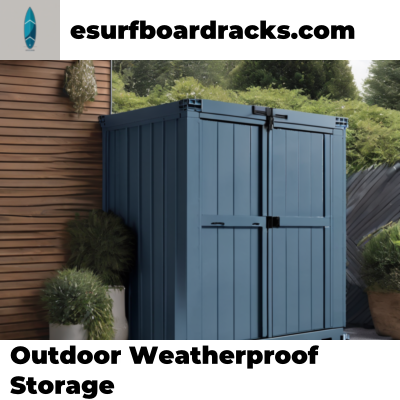
Hawaii's magnificent weather presents a peculiar paradox. While the island's consistent temperatures and trade winds create paradise-like conditions for residents and visitors alike, these same environmental factors pose extraordinary challenges for anyone attempting to store equipment, gear, or possessions outdoors. The combination of salt spray, intense UV radiation, moisture-laden air, and occasional tropical storms creates conditions that deteriorate unprotected items with alarming speed.
The degradation process happens faster than most people realize. Metal components begin oxidizing within weeks of exposure to salt-laden humidity. Wooden surfaces soften and splinter under relentless sun exposure combined with moisture penetration. Fabric materials fade, mildew, and eventually disintegrate. What might seem like a temporary storage solution often becomes a permanent problem when belongings sit unprotected in these conditions.
Surfboard enthusiasts face particular challenges. A quality surfboard represents a significant investment—anywhere from several hundred to thousands of dollars. Exposure to the elements transforms these functional works of art into warped, delaminated, unusable objects in just a few months. The fiberglass degradation process accelerates exponentially under Hawaii's specific climate conditions.
Why Standard Storage Methods Fail Spectacularly
Conventional wisdom suggests throwing a tarp over items or storing them in a shed provides adequate protection. Reality tells a different story entirely. Tarps create pocket environments where moisture collects, promoting mold growth and rust formation. Traditional wooden sheds lack proper ventilation, allowing condensation to accumulate on interior surfaces. Even metal storage containers, when not specifically designed for marine environments, corrode from the inside out as moisture condenses within sealed spaces.
Many Honolulu residents have experienced this frustration firsthand. They purchase what appears to be protective storage, only to discover months later that their cherished equipment has suffered significant damage. The financial loss compounds when considering replacement costs for damaged items.
The Comprehensive Benefits of Weatherproof Storage Systems
Superior Protection Against Salt Spray and Corrosion
Weatherproof storage boxes engineered for coastal environments incorporate multiple protective mechanisms. High-quality units feature sealed gaskets specifically designed to repel salt spray while allowing controlled air circulation. This ventilation component proves crucial—it prevents the moisture accumulation that causes internal corrosion while keeping salt particles from settling on stored items.
The construction materials matter enormously. Marine-grade aluminum resists the oxidation processes that plague standard metals. Specialized coatings create barriers against salt crystallization. Some advanced systems utilize copper-infused materials that actively prevent corrosion rather than simply resisting it.
UV Protection That Extends Equipment Lifespan
The Hawaiian sun's intensity shouldn't be underestimated. UV radiation doesn't just fade colors—it fundamentally breaks down polymer chains in plastics, degrades fiberglass, and weakens synthetic materials. Premium weatherproof storage incorporates UV-blocking technologies integrated into the storage box materials themselves. These aren't simple dark colors; they're specifically formulated compounds that absorb and dissipate solar radiation rather than allowing it to penetrate stored items.
When surfboards remain protected from direct UV exposure, their structural integrity persists for years longer. The resin coating maintains its flexibility rather than becoming brittle. Colors stay vibrant. The financial return on proper storage becomes obvious when comparing a protected board to an unprotected one after just eighteen months of exposure.
Moisture Management Through Advanced Ventilation
Humidity in Honolulu regularly exceeds seventy percent, even during drier months. This moisture-laden air infiltrates standard containers, creating environments where mold and mildew flourish. Engineered weatherproof storage systems address this through sophisticated ventilation approaches. Some utilize passive air circulation based on temperature differentials. Others incorporate membrane systems that allow air exchange while preventing liquid water intrusion.
The distinction matters profoundly. A box that simply allows rain in while being "open" fails completely. A system with intelligent ventilation actively manages moisture, maintaining optimal conditions inside regardless of external humidity levels.
Types of Weatherproof Storage Solutions Available
Deck Box and Container Systems
These modular storage solutions function as semi-permanent installations. They typically measure anywhere from compact two-by-three-foot units to larger configurations exceeding six feet in length. The construction involves reinforced polymer compounds, stainless steel hardware, and interlocking lid mechanisms that create genuine weatherproof seals.
Deck boxes prove ideal for storing fins, wax, repair materials, and other surfboard accessories. They can be positioned on patios, decks, or ground-level locations without requiring permanent installation. The portability factor—though limited—means reorganization remains possible as storage needs evolve.
Wall-Mounted Enclosed Storage
For properties with limited floor space, wall-mounted weatherproof cabinets offer elegant solutions. These installations maximize vertical space while maintaining aesthetic appeal. The enclosures typically feature lockable doors, internal shelving, and weatherproof sealing throughout. They work particularly well for storing multiple surfboards vertically within a compact footprint.
Horizontal Storage Racks with Weather Protection
Some properties benefit from horizontal storage approaches protected by weatherproof covers or partial enclosures. These systems accommodate longer items naturally while maintaining the weather-resistant protection essential in coastal environments. The design acknowledges that surfboards store most efficiently horizontally, with protection systems built specifically around this configuration.
How Weatherproof Storage Protects Your Surfboard Investment
The Science Behind Fiberglass Preservation
Surfboards consist of shaped foam cores wrapped in fiberglass-reinforced resin. Each component responds differently to environmental stressors. The foam can absorb moisture, becoming heavy and losing buoyancy. The fiberglass delamitates when exposed to UV radiation and thermal cycling. The resin coating cracks under temperature fluctuations, especially when combined with moisture infiltration.
Proper storage mitigates each of these processes. By maintaining stable internal temperatures and preventing direct moisture exposure, weatherproof boxes preserve the chemical bonds holding fiberglass to foam. UV protection ensures the resin doesn't become brittle. Humidity control prevents water absorption into the foam core.
A surfboard stored properly for five years might appear nearly identical to a newly purchased board. The same board left exposed deteriorates into an unusable object within months.
Preventing Pressure Cracks and Delamination
Boards left in direct sun experience thermal expansion and contraction cycles throughout each day. This constant flexing of materials creates microscopic cracks, especially near pressure points where fins attach or where the board contacts hard surfaces. These cracks widen over time as water penetrates through them, eventually causing catastrophic delamination where the fiberglass separates from the foam core entirely.
Weatherproof storage eliminates most thermal cycling by maintaining more consistent internal temperatures. This stability prevents the stress that initiates crack formation. For expensive, custom-shaped boards representing months of specialized craftsmanship, this protection proves invaluable.
Environmental Factors Specific to Honolulu's Climate
Unique Challenges of Hawaii's Tropical Marine Environment
The intersection of tropical conditions, marine proximity, and specific trade wind patterns creates storage challenges distinct from mainland locations. The salt content in air near coastal regions proves higher than most people expect—it extends well beyond the immediate shoreline, affecting properties multiple miles inland.
Temperature consistency might seem beneficial, but it creates unique challenges. Without seasonal temperature variations, moisture-related expansion and contraction happens almost imperceptibly, leading to situations where people underestimate humidity effects. The air "feels" comfortable while actually promoting significant moisture accumulation in enclosed spaces.
Seasonal Monsoon Considerations
While Hawaii lacks true monsoons in the South Asian sense, certain periods bring dramatically increased rainfall. November through March experiences higher precipitation than other months. Weatherproof storage systems designed for local conditions specifically account for these rainfall intensities, incorporating drainage systems and moisture-management features calibrated to actual precipitation data rather than generic "weatherproof" standards.
Trade Wind Effects on Equipment Exposure
Consistent northeast trade winds create particular challenges for conventional storage. These winds push salt spray further inland and create pressure differentials that infiltrate poorly sealed storage systems. Engineered weatherproof boxes account for these prevailing winds through strategic valve placement and pressure-balancing systems that prevent wind-driven moisture infiltration while maintaining proper ventilation.
Comparing Storage Solutions: Investment Versus Long-Term Savings
Initial Cost Considerations
Premium weatherproof storage systems represent genuine investments rather than casual purchases. Boxes engineered specifically for marine environments cost more than standard plastic containers. Quality hardware, specialized sealing systems, and UV-resistant materials command premium pricing for valid reasons.
However, this initial expense requires honest comparison against replacement costs. A single high-quality surfboard costs $400 to $1,200 or more. Professional board repairs often run $200 to $500 per damaged board. Multiply these figures by the number of boards many enthusiasts keep, and proper storage becomes financially obvious.
Five-Year Expense Projections
Consider a surfer maintaining three boards without proper storage. Degradation might necessitate one replacement every two years—that's $1,200 to $3,600 in replacement costs over five years. Add potential repair expenses, and total costs easily exceed $2,000 to $4,000. A premium weatherproof storage system costs roughly $800 to $1,500 installed, effectively paying for itself within the first eighteen months through prevention of damage alone.
This analysis becomes even more compelling for individuals storing multiple boards, equipment collections, or professional-grade gear. Business owners utilizing storage for inventory experience dramatically higher return on investment calculations.
Hidden Costs of Inadequate Storage
Beyond direct replacement expenses, inadequate storage creates secondary costs people rarely anticipate. Damaged equipment sometimes requires professional refinishing or repair attempts that partially restore functionality but never achieve original performance characteristics. Aesthetic damage reduces resale value significantly—a faded, sun-damaged board fetches perhaps thirty percent of its original value, even if structurally sound.
Additionally, the frustration of discovering deteriorated possessions translates to intangible costs. The disappointment of pulling out a favorite board only to discover delamination problems represents genuine emotional loss alongside the financial impact.
Selecting the Right Weatherproof Storage System for Your Needs
Assessing Your Specific Storage Requirements
Different situations demand different solutions. Someone storing a single board faces different needs than a surfboard shop maintaining twenty boards for inventory and rental purposes. Property dimensions, aesthetic preferences, access requirements, and equipment volume all influence optimal storage choices.
The first step involves honest assessment of what requires storage and for how long. Permanent storage of frequently-used equipment demands accessibility alongside protection. Long-term storage of seasonal gear prioritizes protection over convenience. Professional inventory storage requires systems that organize multiple items efficiently while maintaining protection standards.
Size and Configuration Options
Weatherproof boxes range from compact units storing two to three boards to expansive systems accommodating six or more boards with additional equipment space. Some properties benefit from multiple smaller units distributed across different locations rather than single large installations. Others maximize efficiency through vertical mounting systems that utilize wall space.
Custom configurations increasingly become available through specialized manufacturers. Rather than forcing storage needs into predetermined box sizes, property owners can specify dimensions matching their particular situations. This customization proves especially valuable for awkward spaces or unusual property layouts.
Material Selection and Construction Quality
Not all weatherproof materials perform identically. High-density polyethylene offers different advantages than marine-grade aluminum or reinforced composite materials. Each material type presents distinct trade-offs regarding durability, weight, maintenance requirements, and aesthetic appeal.
Marine-grade aluminum systems typically outlast polymer-based alternatives by significant margins, sometimes doubling expected lifespan. However, aluminum systems command premium pricing and require different installation approaches. Reinforced polymer systems offer reasonable durability at moderate costs, suitable for most residential applications. Understanding these distinctions helps match material choices to actual needs rather than defaulting to the most expensive option unnecessarily.
Locking Mechanisms and Security Features
For storage systems installed in accessible locations, security considerations matter. Quality weatherproof boxes incorporate heavy-duty locks that resist corrosion while providing genuine security. Some advanced systems integrate smart locking mechanisms allowing remote access monitoring and keyless entry through smartphone applications.
This security layer proves particularly important for professional storage situations or properties in areas where theft represents realistic concerns. The locking mechanism integration shouldn't compromise weatherproof integrity—quality systems maintain complete sealing even with sophisticated locks installed.
Installation and Placement Strategies
Optimal Positioning for Water Drainage
Where storage systems sit matters considerably for performance. Ideally, placement on slightly elevated surfaces allows water to drain away naturally during heavy rainfall. Completely flat installations create opportunities for water pooling around box perimeters, eventually infiltrating even well-sealed systems through capillary action and pressure-based intrusion.
Concrete pads slightly angled away from the storage box provide ideal installations. This approach requires minimal preparation while significantly improving long-term performance. Some installation professionals recommend minimal gravel or drainage stone beneath storage systems, creating permeable surface layers that prevent water accumulation.
Ventilation Clearance Requirements
Even sophisticated ventilation systems require adequate air circulation around storage boxes. Installation against walls or in completely enclosed spaces compromises the passive air circulation that many systems rely on. Professional installations typically maintain at least six to twelve inches of clearance on all sides, allowing trade winds to circulate freely while maintaining weatherproof integrity.
Sun Exposure Considerations
While weatherproof boxes resist UV damage, reducing unnecessary direct sun exposure still extends system longevity. When feasible, positioning storage systems under partial shade—perhaps beneath eaves or adjacent to structures providing afternoon shade—decreases thermal loading while maintaining accessibility and ventilation.
Conversely, avoiding completely shaded installations proves important. Perpetually damp conditions beneath trees or overhangs accelerate moss growth and create moisture-related complications that sunny locations naturally resist through regular drying cycles.
Maintenance Requirements for Weatherproof Storage Systems
Regular Inspection Protocols
Even the most sophisticated weatherproof systems benefit from periodic inspection. Quarterly reviews checking seal integrity, drainage pathways, and hardware corrosion prevent minor issues from becoming major problems. Many problems caught during early inspection stages require only simple maintenance rather than expensive repairs or replacement.
Inspections should verify that:
- Gasket seals remain flexible and properly seated
- Drainage holes remain clear and functional
- Hardware shows no corrosion or deterioration
- Hinges operate smoothly without grinding sounds
- Locking mechanisms engage securely
- Ventilation openings remain unobstructed
Cleaning and Preventive Maintenance
Salt spray deposits accumulate on exterior surfaces, accelerating corrosion if left unaddressed. Regular rinsing with fresh water removes these deposits, significantly extending hardware and material lifespan. This maintenance requires minimal effort—perhaps thirty minutes quarterly—yet delivers substantial longevity benefits.
Interior cleaning should occur seasonally or when seasonal transitions bring stored items in and out of storage. Removing debris, dust, and any moisture accumulation maintains the protected environment that storage systems create. Some users incorporate small silica gel packets or moisture-absorbing products within storage boxes, further managing humidity levels during particularly humid months.
Hardware and Seal Replacement Schedules
Quality weatherproof systems remain serviceable for years or decades when properly maintained. Individual components—gaskets, hinges, locking mechanisms—eventually require replacement due to normal wear. Understanding these replacement schedules and performing preventive component swaps prevents catastrophic failures. Gaskets typically require replacement every three to five years depending on exposure levels and maintenance frequency.
Stainless steel or marine-grade hardware resists corrosion effectively but occasionally requires replacement when aesthetic appearance matters or when mechanism function degrades. Proactive replacement of wearing components costs far less than emergency repairs or equipment damage resulting from system failure.
Understanding Moisture Control Technologies
Active Versus Passive Ventilation Systems
Passive ventilation systems rely on natural air movement and temperature differentials to circulate air within storage boxes. These systems cost less to implement and require no electricity or mechanical components. However, they depend on consistent environmental conditions and trade wind patterns that might not provide sufficient air exchange during periods of calm weather.
Active ventilation systems incorporate small fans or mechanical circulation mechanisms ensuring constant air movement regardless of external wind conditions. These systems provide more predictable humidity control, particularly valuable during calm summer months when passive systems underperform. The trade-off involves modest electricity consumption and slightly increased maintenance requirements.
Desiccant and Moisture Absorption Technologies
Beyond ventilation approaches, some advanced storage systems incorporate desiccant materials—substances that actively absorb moisture from enclosed air. Silica gel, calcium chloride, and specialized synthetic desiccants work continuously to reduce humidity levels within storage boxes. These materials eventually become saturated and require replacement, but replacement costs remain minimal compared to damage prevention benefits.
Reusable desiccant products that can be regenerated through heating offer particularly economical long-term solutions. Some weatherproof storage systems incorporate permanent desiccant channels built into their construction, providing ongoing moisture management without requiring material replacement or maintenance beyond periodic regeneration.
Humidity Monitoring Capabilities
Modern weatherproof storage increasingly incorporates humidity monitoring technology. Digital sensors track interior moisture levels, alerting owners when conditions exceed safe parameters. This information guides maintenance decisions—perhaps indicating when ventilation needs improvement or when moisture-absorbing materials require replacement.
Some systems integrate wireless monitoring allowing remote access to humidity data through smartphone applications. This technology proves particularly valuable for professional storage applications where monitoring multiple units would otherwise prove impractical.
Professional Installation Versus DIY Approaches
When Professional Installation Becomes Necessary
Complex installations involving multiple units, custom configurations, or integration with existing structures typically benefit from professional installation expertise. Professionals understand local building codes, drainage requirements specific to Honolulu properties, and optimal positioning for particular site conditions. Their experience prevents costly mistakes that DIY installations sometimes create.
Additionally, professional installation often includes warranties covering both materials and workmanship. These guarantees provide peace of mind and recourse options if problems emerge during the warranty period.